Poʻipū
🌺 Things to do
4 curated experiences
Poipu Beach Park Snorkeling
Poʻipū
The sunniest beach on Kauai (south shore reliably escapes north shore rains). Two distinct draws: Hawaiian monk seals — one of the world's most endangered marine mammals, with only ~1,400 remaining — regularly haul out here to rest; maintain a legally required 50-foot distance. Hawaiian green sea turtles are common in the water year-round. The beach itself is excellent for swimming and snorkeling on the reef side. In winter, whales are sometimes visible offshore. The combination of reliable sun, wildlife, and swimmable conditions makes Poipu the most consistently satisfying beach on the island.
Spouting Horn Blowhole
Poʻipū
A marine geyser where ocean swells force water through a lava tube and shoot it 3–9 meters into the air, accompanied by a deep hissing roar. The height and frequency depend on swell size — bigger surf equals a more dramatic show. A second smaller hole alongside produces an eerie moaning sound; local legend holds it is the cry of a giant lizard trapped inside the lava centuries ago. A quick 30-minute stop that punches well above its time investment — it tends to surprise visitors who expected something minor.
Allerton & McBryde Botanical Gardens
Poʻipū
Two of the finest botanical gardens in the United States, side by side in a sheltered coastal valley. McBryde is the larger research garden — 5,000+ plant species arranged across 252 acres of valley floor, self-guided with an audio wand. Allerton is the historic private estate turned garden, with monumental outdoor sculptures, reflecting pools, and the famous Moreton Bay fig trees used in Jurassic Park (the root system where the raptor eggs were found). The guided Allerton tour (2.5 hours) is one of the most memorable experiences on Kauai — worth the price difference over McBryde.
Mahaulepu Heritage Trail
Poʻipū
A 4km coastal cliff walk from Shipwreck Beach past ancient sand dunes, sea caves, and a limestone sinkhole to the remote Mahaulepu Beach — one of the least-visited beautiful beaches on the south shore. The trail passes Makauwahi Cave, Hawaii's largest limestone cave, which opens to visitors only on set days — check before planning to go inside. Sea turtles are commonly spotted on the rocky headlands; Hawaiian monk seals rest here occasionally; and in winter humpback whales are visible offshore. Far more interesting than sitting on Poipu Beach and almost no one does it.
🥾 Hikes
1 trails
🏨 Where to stay
6 vetted properties
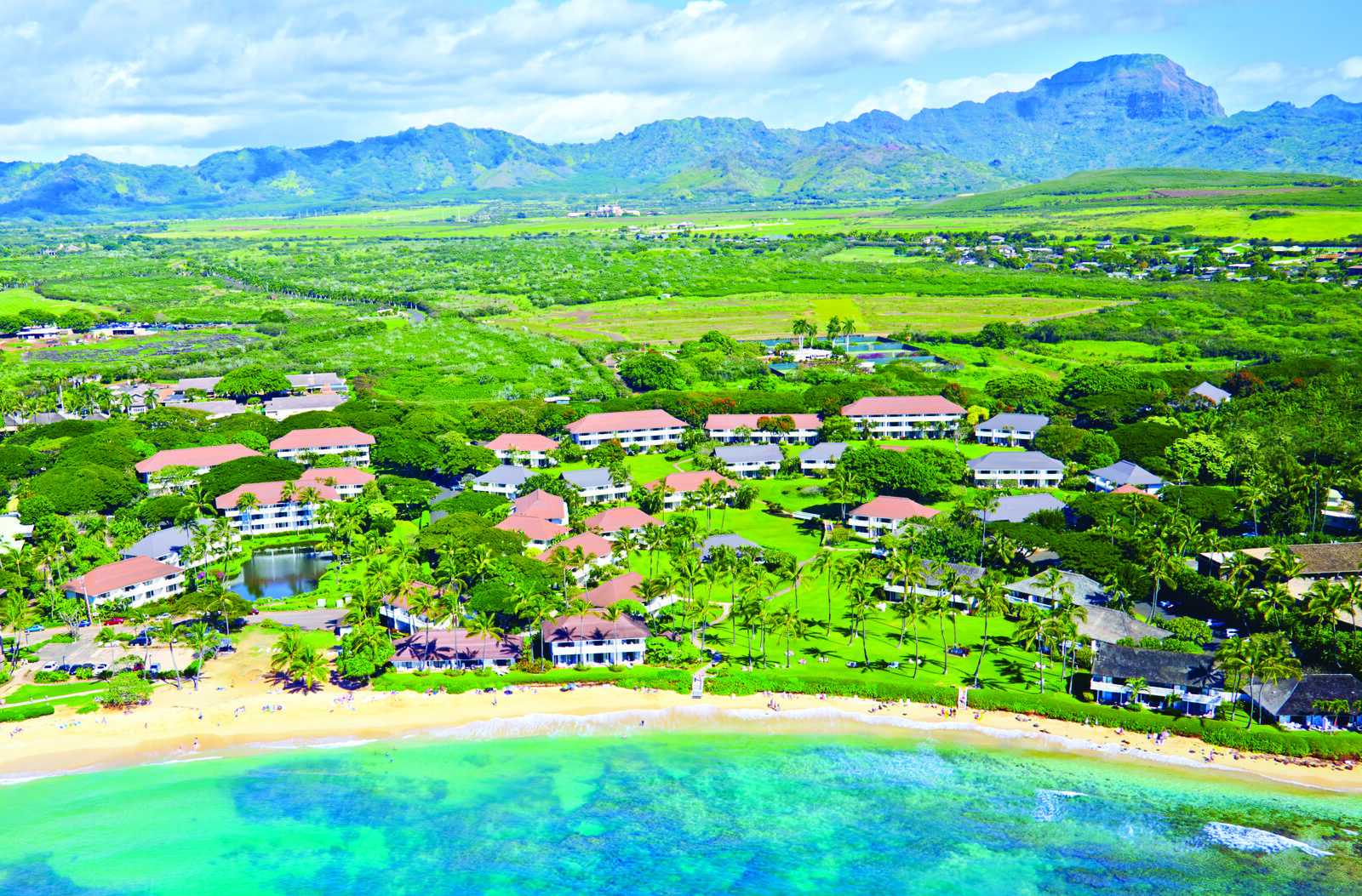
Kiahuna Plantation Resort Kauai by OUTRIGGER
★ FeaturedPoʻipū
Low-rise condo resort set in 35 acres of tropical gardens. Quiet, uncrowded, steps from Poipu Beach. Spacious rooms with private lanais. The beach access is the best in Poipu. Perfect for couples.
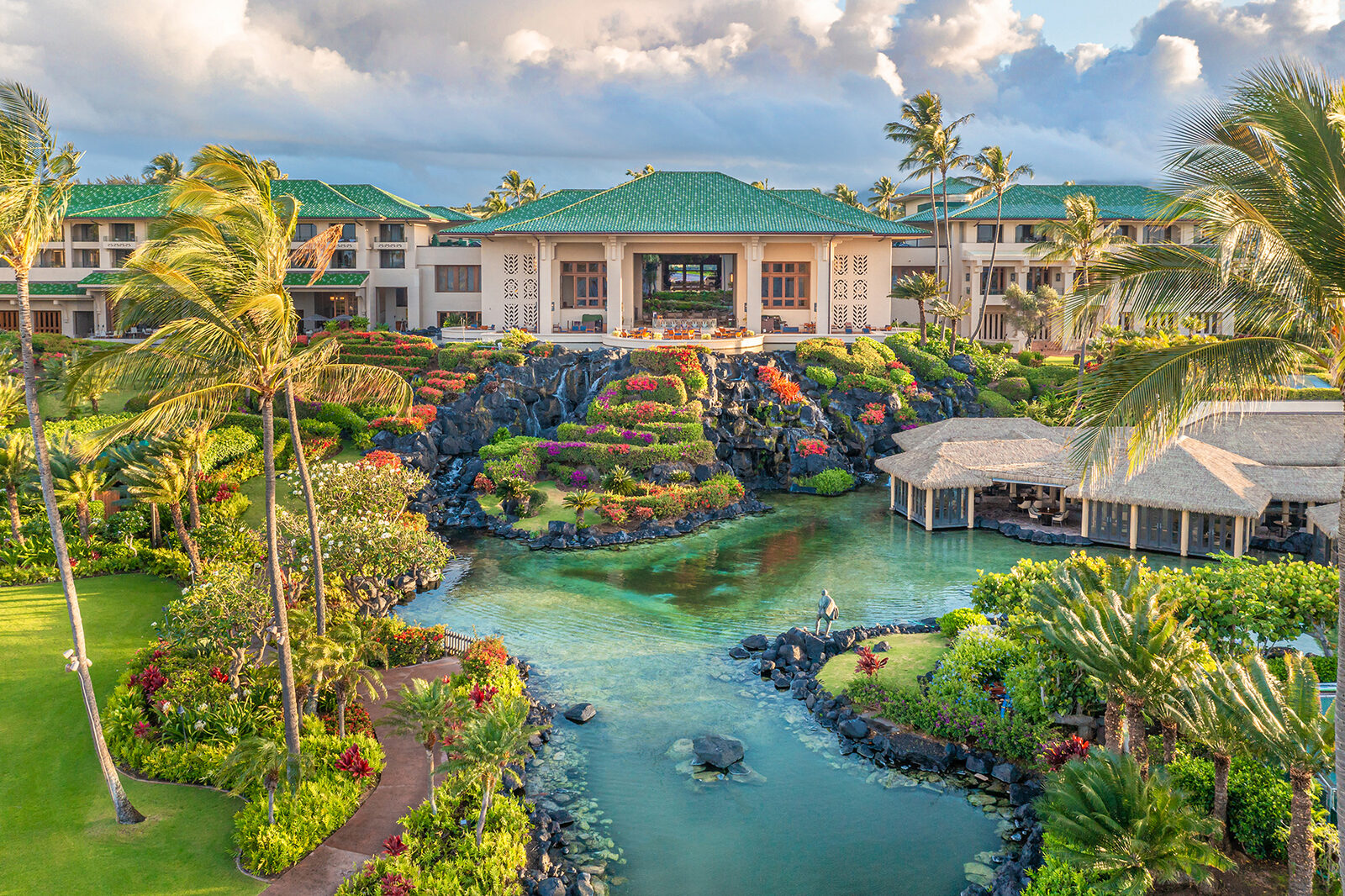
Grand Hyatt Kauai Resort & Spa
★ FeaturedPoʻipū
The crown jewel of Kauai resorts — 50 acres with the best pool complex on the island, including a saltwater lagoon you can actually swim in. Anara Spa is world-class. Worth every dollar.
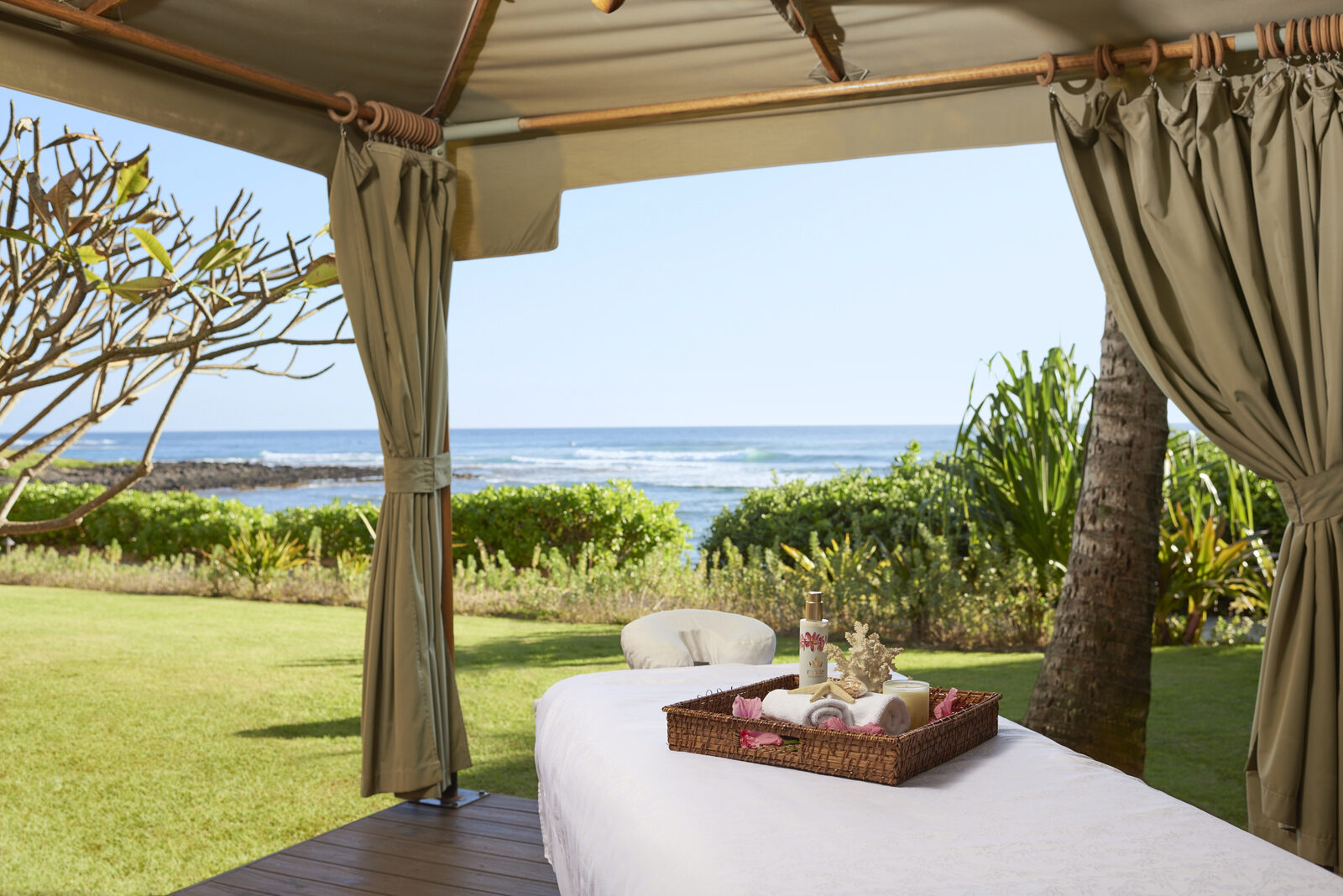
Koa Kea Hotel & Resort
Poʻipū
Intimate boutique resort (121 rooms) on Poipu Beach. Best for couples — adult atmosphere, stunning pool, Red Salt restaurant is excellent. Much quieter than the Grand Hyatt. Premium but worth it.
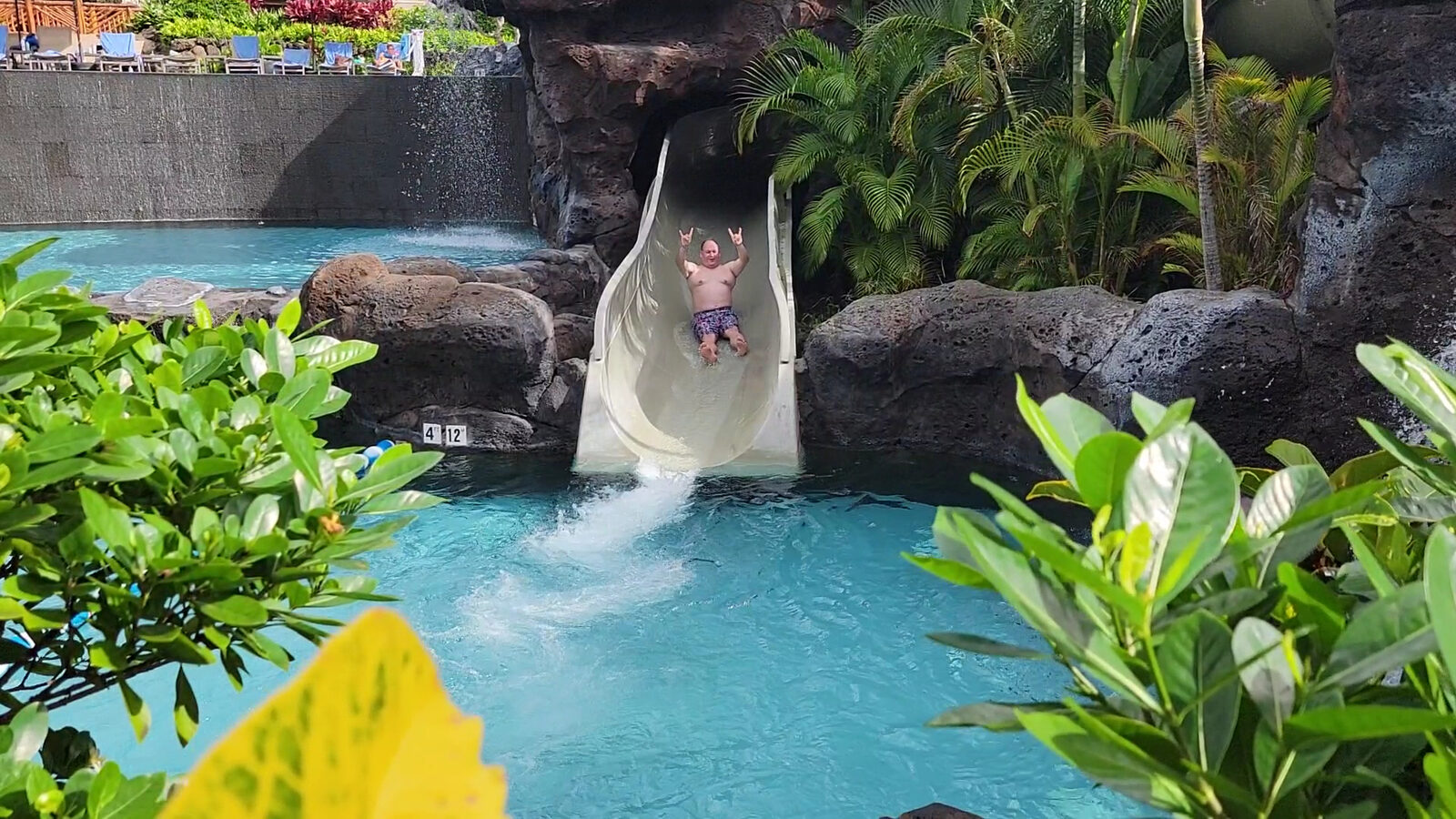
Koloa Landing Resort at Poipu, Autograph Collection
Poʻipū
Expansive suites with full kitchens in a tropical oasis setting. Five pools. Walking distance to Spouting Horn and Poipu Beach. Feels more premium than the price suggests.
Pili Mai at Poʻipū
Poʻipū
New two-bedroom townhouses on the Poʻipū golf course with air conditioning (rare on Kauaʻi) and a pool; units 13A and 12H are hers. Five minutes to Poʻipū Beach.
Sheraton Kauai Resort
Poʻipū
Oceanfront resort on Poʻipū Beach; ocean-front rooms face the sunset and the monk seals. Resort fee and parking at check-out.
🍽️ Where to eat
2 places our scouts eat
Beach House Restaurant
Poʻipū
Beach House Restaurant (Lawai Beach, Poipu) — the best sunset dinner seat on the south shore. Tables face directly west over the ocean; the sunset from here is extraordinary. Fresh fish and a good wine list. Reserve specifically for sunset — get the time from local sunset tables and book the sitting that ends 30 min before it. Full 15 min early.
Tidepool Restaurant
Poʻipū
Tidepool Restaurant (Grand Hyatt, Poipu) — the splurge dinner on Kauai, built over the resort's koi ponds with open-air thatched tables at the water's edge. Book ahead and time it for sunset. Fresh fish, tropical cocktails, the setting is the point.
📅 Events
16 on the calendar
2026-01-03
Quadrantid meteor shower (peak)
The Quadrantids are one of the year's strongest meteor showers, with a brief, sharp peak in early January that can produce 40 or more meteors per hour under dark skies. Because Hawaiʻi has some of the clearest, darkest skies in the U.S., the islands are a superb place to watch. Look in the hours before dawn, away from town lights — a high-elevation spot or a dark leeward beach is ideal. No telescope needed; just let your eyes adjust for 20 minutes.
2026-02-21
2026 Waimea Town Celebration
2026-02-21
Na Heihei A Ola - Waimea Town Celebration Fun Run
2026-04-22
Lyrid meteor shower (peak)
The Lyrids are an annual April meteor shower, active for about a week and peaking around April 22 with roughly 15–20 fast, bright meteors per hour and the occasional fireball. From Hawaiʻi, the best viewing is after midnight into the pre-dawn hours, away from city lights. Find a dark, open sky — upcountry or a leeward shore — and give your eyes time to adjust.
2026-05-06
Eta Aquariid meteor shower (peak)
The Eta Aquariids are debris from Halley's Comet, peaking in early May. Hawaiʻi's low latitude makes it one of the best places in the United States to watch this shower — from the tropics it can deliver 40+ swift meteors per hour, many leaving glowing trains. Look toward the eastern sky in the hours before dawn from a dark location. A standout event for island stargazers.
2026-08-12
Perseid meteor shower (peak)
The Perseids are the most popular meteor shower of the year, peaking in mid-August with up to 60 bright, fast meteors per hour and frequent fireballs, all on warm summer nights. Debris from Comet Swift-Tuttle, they are easy to enjoy from Hawaiʻi under dark skies. Watch after midnight, away from town lights, from a high-elevation site or a dark beach; no equipment needed.
Ready to plan your Poʻipū trip?
Leave your details and a travel expert will create a custom itinerary for you.